Communication, language & literacy
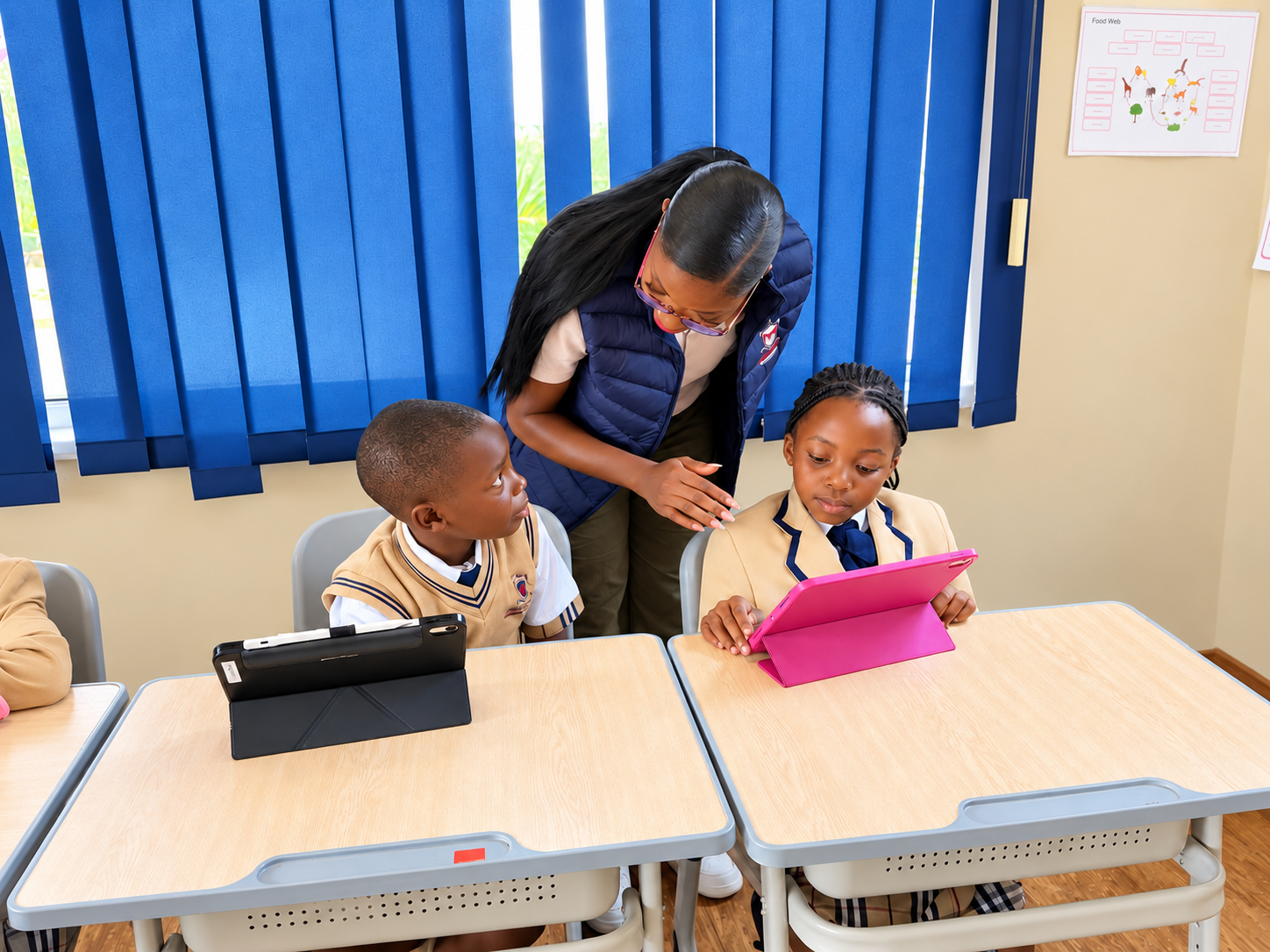
Speaking, listening, reading and writing develop through enjoyable activities and a wide range of texts, encouraging a lifelong curiosity for learning.
A CONNECTED LEARNING JOURNEY
Strong foundations, new challenges and meaningful opportunities to put learning into practice.
THE BEGINNING OF SOMETHING BIG
We are fully registered to offer Cambridge Early Years, a programme for children aged 3–6. It gives learners the best start in life, helping them reach key developmental milestones and thrive both inside and outside the classroom. Purposeful play and discovery build language, number skills, confidence and independence.
Explore joining Genius RayCAMBRIDGE EARLY YEARS · AGES 3–6
A child-centred, play-based beginning that helps young learners thrive at school and beyond.
Children develop at their own pace, make choices, act independently and discover a sense of self-worth. Learning is tailored to their needs, skills and interests, building the knowledge and confidence they need for Cambridge Primary or another next stage of education.
A balanced curriculum, engaging classroom resources, teacher development and assessment approaches work together to support high-quality learning and monitor each child’s progress. The programme supports children with different levels of English, including a bilingual or multilingual approach where their home language is different.
Our holistic approach connects children’s development with the people and world around them. A spiral approach revisits topics and skills in greater depth at each stage. Internationally established developmental milestones help teachers monitor and support progress while recognising that each child develops at a different rate.
Speaking, listening, reading and writing develop through enjoyable activities and a wide range of texts, encouraging a lifelong curiosity for learning.
Art and design, music, dance and drama help children communicate ideas, develop their imagination and connect skills across the curriculum.
Games and everyday activities introduce mathematical language, thinking and concepts, preparing children for learning in primary school.
Movement and play build physical skills and positive attitudes towards exercise, laying foundations for healthy, active lives.
Children develop friendships, self-esteem and confidence. They learn to understand emotions, regulate their responses and consider the needs of others.
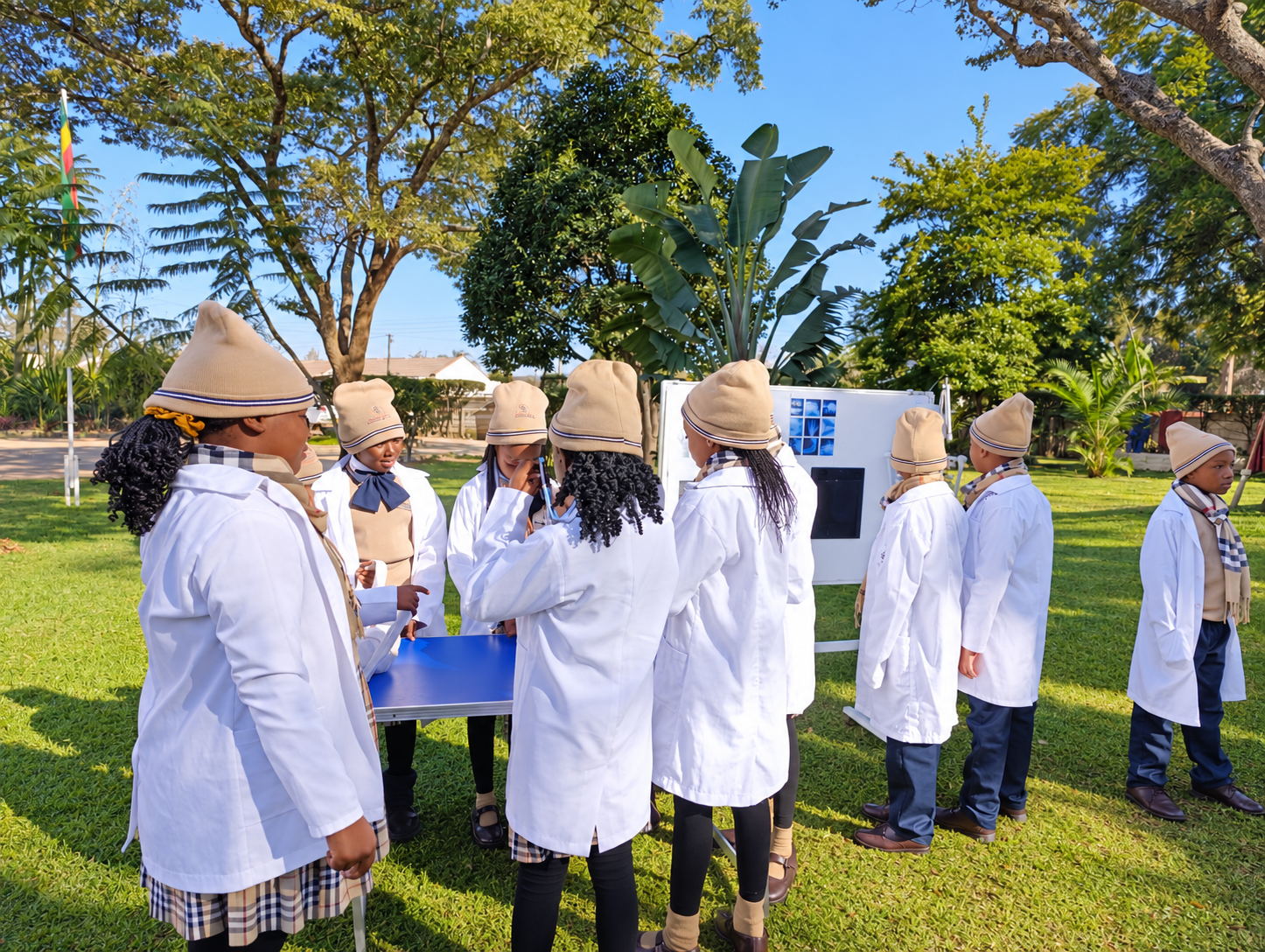
Curiosity leads children to question, explore and interact with their surroundings, laying foundations for science, digital literacy, computing and humanities.
Cambridge Primary and Lower Secondary learning, alongside the Oxford International Curriculum, connects core subjects with wellbeing, global skills and wider understanding.
OUR SUBJECTS
Our Cambridge and Oxford programmes develop critical thinking, creativity and intellectual engagement. Explore the subjects and learning experiences that support each stage of your child’s education.
We encourage a lifelong enthusiasm for reading, writing and spoken communication. Learners develop transferable language skills to examine and produce texts, work collaboratively and express ideas with confidence and creativity.
Learners develop analytical and rational thinking through principles, patterns, systems, functions and relationships. A holistic understanding of mathematics and fluency in computation help them apply their skills to everyday situations.
Learners explore biology, chemistry, physics, and Earth and space. Thinking and working scientifically develops understanding of scientific models, representations, enquiry and practical investigation.
Learners develop research, collaboration and decision-making skills for further education and the workplace. They explore their place in an interconnected world, evaluate information, connect causes and consequences, and suggest solutions to community challenges.
Learning French and Mandarin gives children opportunities to develop communication skills and engage with languages beyond English.
Learners explore the purpose of computer components and develop coding and logical thinking skills through visual programming.
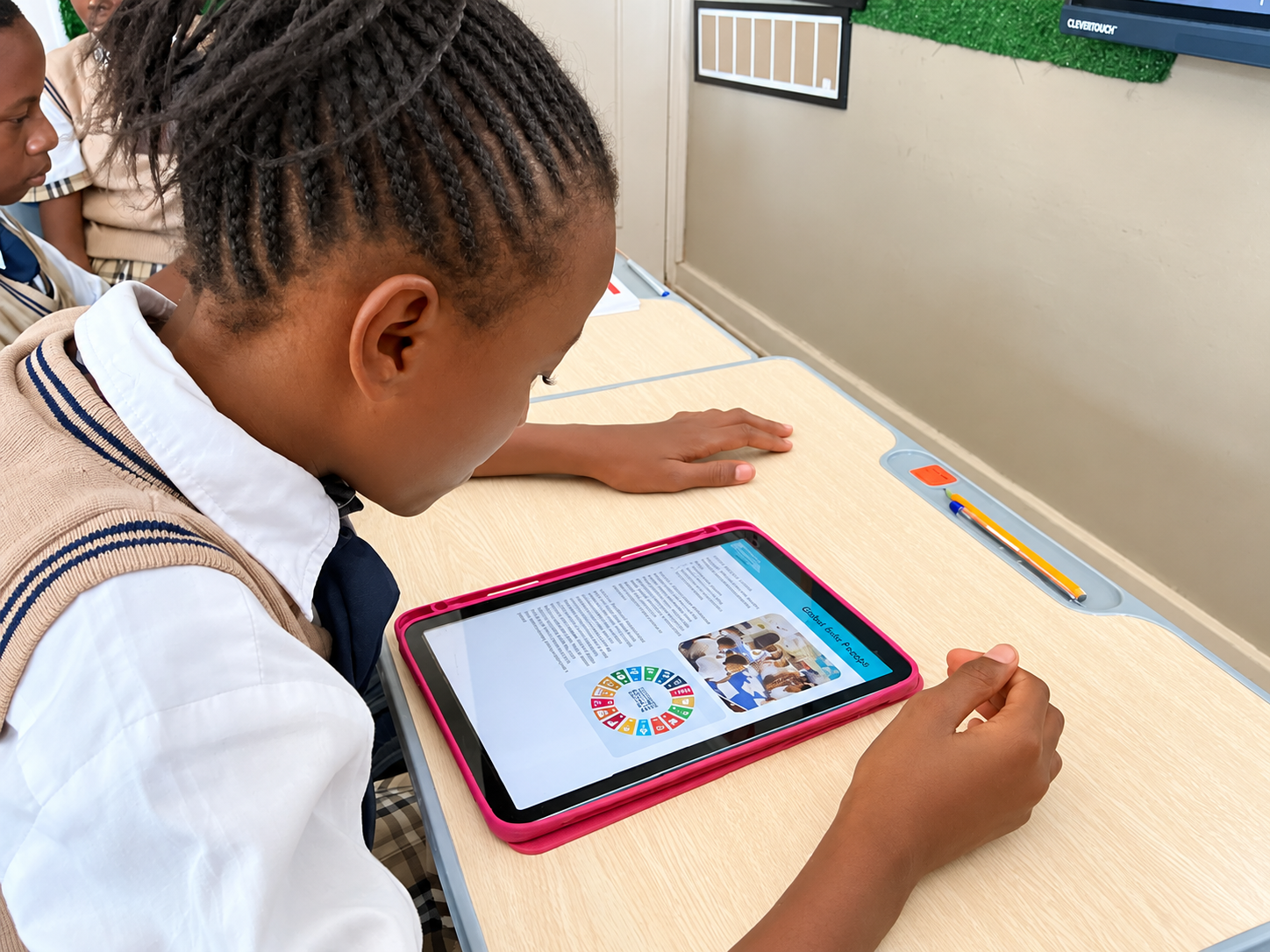
Learners use technology to connect, collaborate, research and discover information, building the skills to participate effectively in a digital world.
Art and design spark imagination and creativity. Learners express personal responses to their experiences, articulate ideas and develop transferable skills that support learning across subjects.
Learners explore music as performers, composers and listeners, making and appreciating music from different cultures, times and places.
Exploring cultures, histories and societies promotes empathy, understanding and global citizenship.
Learning supports mental health, self-awareness and emotional intelligence, helping children understand themselves and build positive relationships.
Movement and physical activity are essential to a well-rounded education, supporting fitness, coordination, confidence and healthy habits.
We use a range of approaches to understand progress and guide learning:
Additional support helps learners strengthen their understanding and make progress:
LOWER SECONDARY
Our Lower Secondary programme offers nine subjects, developing academic knowledge, independent thinking and a broad understanding of the world.
Developing mathematical fluency, reasoning and problem-solving.
Exploring scientific ideas through practical enquiry and evidence.
Building confidence in reading, writing, speaking and listening.
Understanding places, environments and the relationships between people and the world.
Exploring the past, examining evidence and understanding change over time.
Reading and discussing literary texts, themes, characters and the writer’s craft.
Exploring society, communities, cultures and human relationships.
Developing computational thinking, programming and knowledge of computer systems.
Building research, analysis, evaluation, reflection, collaboration and communication skills.
CAMBRIDGE CURRICULUM · OXFORD CURRICULUM
Our Cambridge and Oxford curricula bring together academic foundations and the wider skills of a holistic education. Learners discuss ideas, investigate questions and apply what they learn.